Address
304 North Cardinal St.
Dorchester Center, MA 02124
Work Hours
Monday to Friday: 7AM - 7PM
Weekend: 10AM - 5PM
Address
304 North Cardinal St.
Dorchester Center, MA 02124
Work Hours
Monday to Friday: 7AM - 7PM
Weekend: 10AM - 5PM

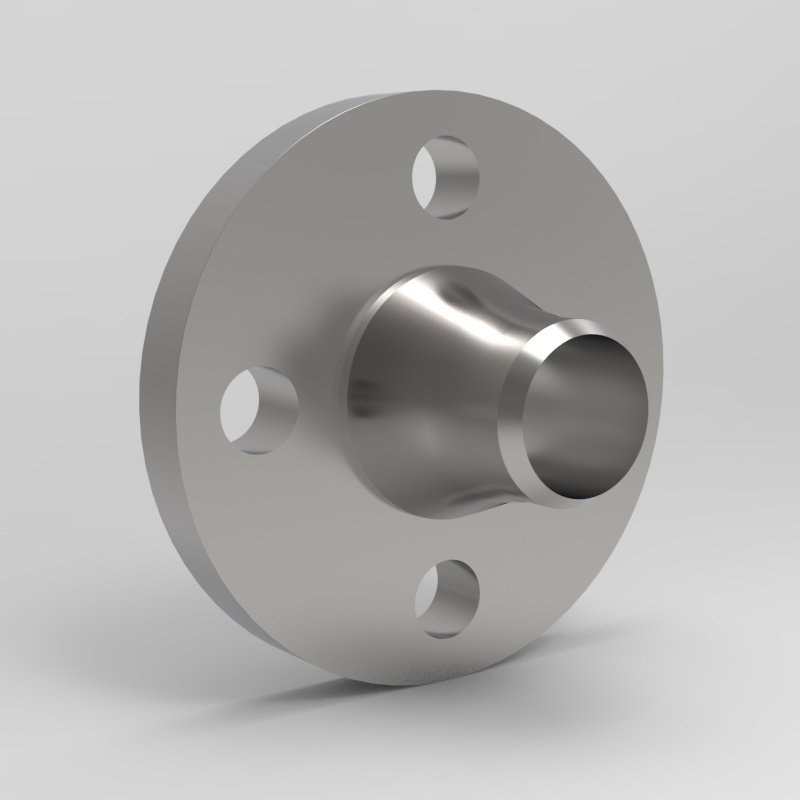
Raised face flanges (RF flanges) are the most widely used flange type in industrial piping systems, with a raised sealing surface that achieves sealing through gasket compression. The nickel alloy raised face flanges supplied by us are manufactured from high-quality nickel-based alloy forgings through multiple processes including forging, solution heat treatment, precision machining, drilling, and pickling/passivation. Featuring high sealing surface flatness, uniform gasket compression, excellent corrosion resistance, and suitability for various pressure classes, they are the ideal choice for pipe connections in demanding applications such as petrochemical, offshore engineering, nuclear power energy, and pharmaceutical food industries.
Flange Types:
Supply Range
Nominal Diameter (DN/NPS): DN15 – DN600 (1/2 inch – 24 inches); Larger sizes up to DN1500 negotiable
Pressure Class: Class 150, 300, 600, 900, 1500, 2500 (ASME)
Raised Face Height: Class 150-300: 1.6mm; Class 400-2500: 6.4mm
Surface Roughness: Sealing surface Ra 3.2μm – 6.3μm (Ra 1.6μm available upon request)
Surface Condition: Machined, Pickled optional
Marking: Steel stamp marking on flange outer edge, conforming to MSS SP-25 or customer requirements
Dimensional Inspection
Appearance Inspection
Surface Quality: Visual inspection, no cracks, folds, laps, or other