Address
304 North Cardinal St.
Dorchester Center, MA 02124
Work Hours
Monday to Friday: 7AM - 7PM
Weekend: 10AM - 5PM
Address
304 North Cardinal St.
Dorchester Center, MA 02124
Work Hours
Monday to Friday: 7AM - 7PM
Weekend: 10AM - 5PM

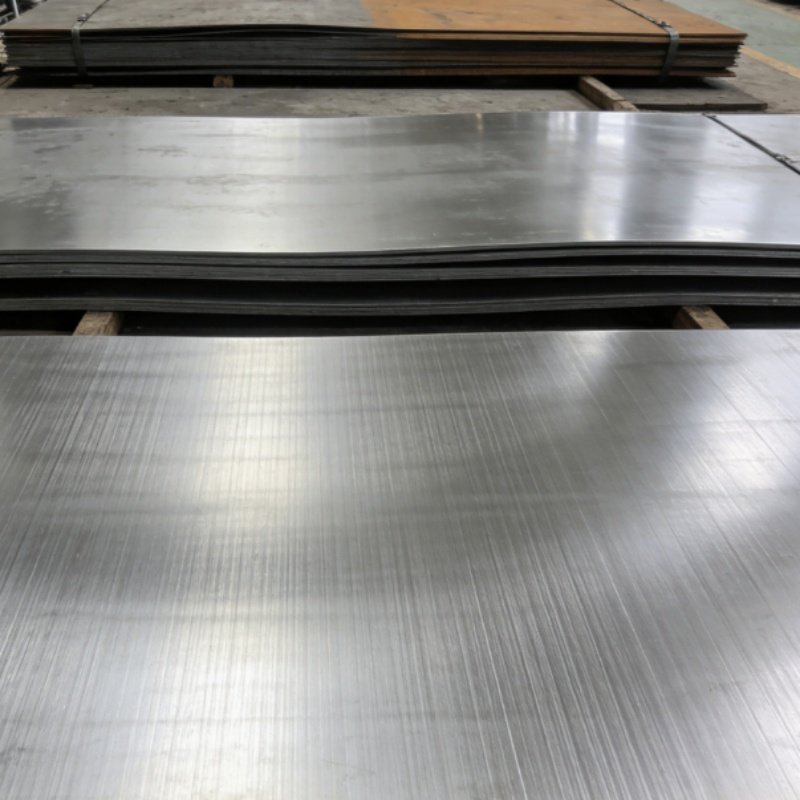
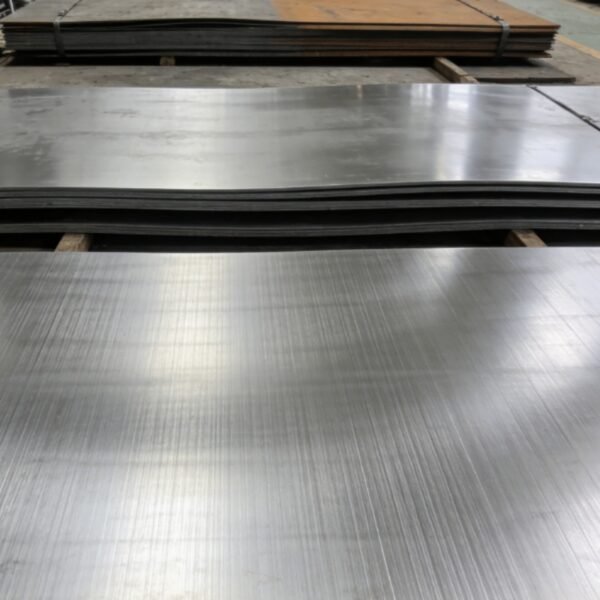
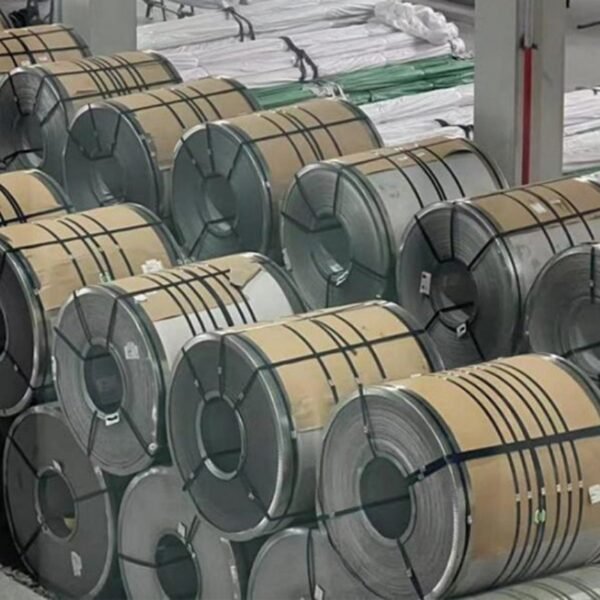
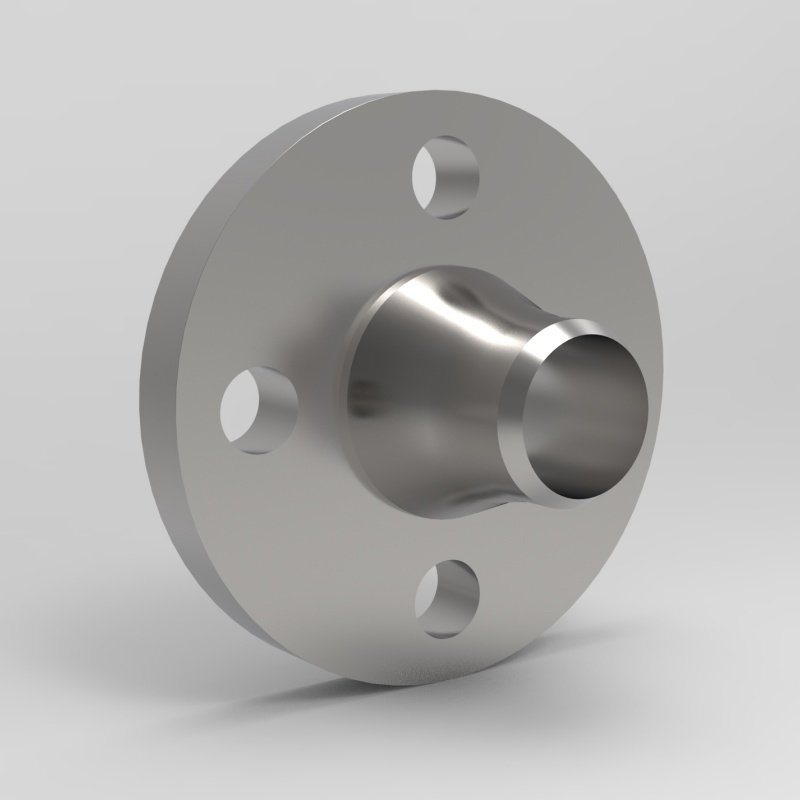
Alloy 602CA UNS N06025 high-temperature Ni-Cr-Fe alloy. ASME SB-168 plate and sheet, SB-166 rod and bar, SB-462 forged flanges, SB-366 CRV602 fittings.
Alloy 602CA is routinely ordered as a substitute for grade 800 or grade 600 on the assumption that anything with chromium in the 24 to 26 percent range will behave the same way. That assumption is the expensive kind. N06025 is a nickel-chromium-iron alloy with a substantially higher chromium content than either of those grades and, critically, a carbon limit of 0.15 to 0.25 percent that puts it into the creep-strength range rather than the general-purpose range. It is a structural alloy for high-temperature service, and the material data that follows will make the difference clear.
ASME SB-168 Table 2 and ASME SB-166 Table 1 both carry N06025, and the composition limits are set out below. Compare them against the two grades the alloy is usually confused with, and the differences are not marginal.
| Element | Alloy N06025 | Alloy N08800 (Incoloy 800) | Alloy N06600 (Inconel 600) |
|---|---|---|---|
| Nickel, % | remainder (by difference) | remainder (by difference) | 72.0 min |
| Chromium, % | 24.0–26.0 | 19.0–23.0 | 14.0–17.0 |
| Carbon, % | 0.15–0.25 | 0.10 max | 0.15 max |
| Iron, % | 21.0–25.0 | remainder (by difference) | 6.0–10.0 |
| Manganese, max % | 1.0 | 1.5 | 1.0 |
| Silicon, max % | 0.50 | 0.5 | 0.5 |
| Copper, max % | 0.30 | 0.5 | 0.5 |
| Niobium, % | 0.5–2.5 | not required | not required |
| Titanium, % | 0.1–0.2 | not required | not required |
Note the carbon figure. A 0.15 to 0.25 percent carbon alloy is in a different structural class from a 0.10 or 0.15 percent maximum alloy, and that is precisely why N06025 has been used for decades in steam superheater elements and furnace internals where creep-rupture data, not general corrosion resistance, governs the design. Our nickel alloy material selection and properties collection sets out how the various families are normally grouped for procurement purposes.
For bar and rod, our nickel alloy round bars category lists every round bar and rod grade we stock. For pipe and tube in the 800 family, see our Incoloy 800/800H/800HT seamless pipe and tube page for comparison.
For annealed plate, sheet and strip, ASME SB-168 Table 3 gives N06025 a tensile strength of 98 000 psi (680 MPa) minimum and a 0.2 percent offset yield strength of 39 000 psi (270 MPa) minimum, with 30 percent minimum elongation in 2 in. (50 mm). ASME SB-166 Table 2 gives the same 98 000 psi (680 MPa) tensile and 39 000 psi (270 MPa) yield minimums for annealed rod and bar.
Two caveats we always raise at enquiry stage. First, these are annealed values; if you order hot-rolled material the yield figure drops accordingly, so state the delivery condition explicitly. Second, the creep-rupture behaviour that makes this alloy valuable in high-temperature service is a separate dataset from the room-temperature tensile values in the specification tables. If your design depends on creep data at a specific temperature and stress, tell us and we will confirm what the mill can supply.
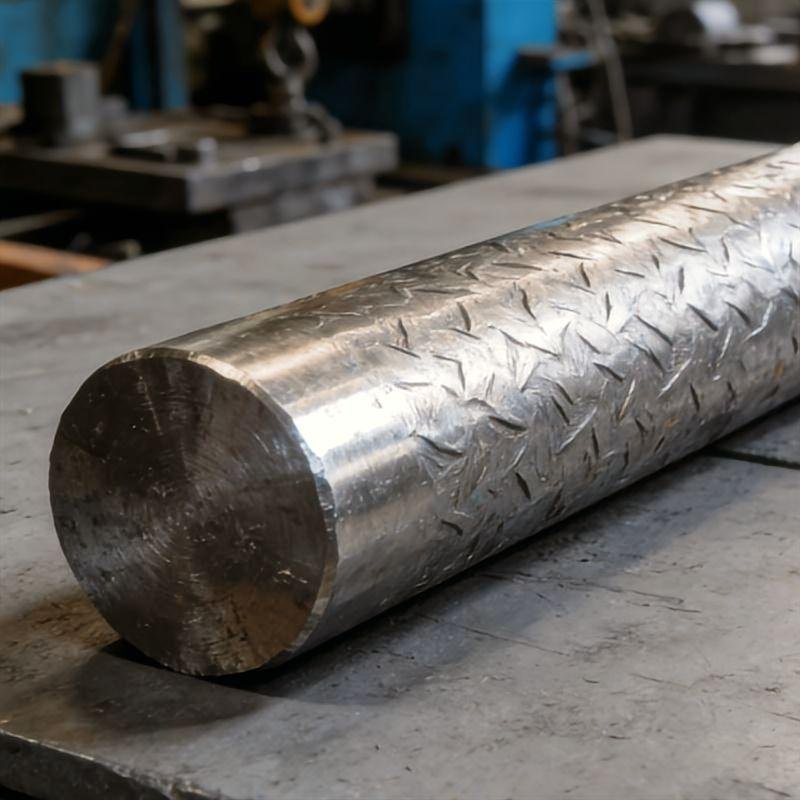
Classic service applications include superheater and reheater tube supports, furnace retorts and radiant tubes, heat-treating baskets and fixtures, and steam-side components in boilers handling higher temperatures than conventional stainless grades tolerate. Where oxidation rather than carburisation drives the corrosion mechanism, the higher chromium content pays off directly.
Our offshore platform fittings and flanges material selection guide covers the parallel decision-making that applies to high-temperature service in oil and gas environments, and our service condition selection collection maps service conditions to candidate alloys more broadly.
A complete enquiry should state: the specification and UNS designation, the product form, the dimensions and size range, the quantity, the delivery condition, the inspection document requirement, and the destination port. If the enquiry is for flanges or fittings, please also give the ASME B16.5 or B16.47 class and the facing type. We will confirm availability, current mill lead time and the full document package in reply.
Should you be weighing N06025 against grade 800 or another substitution candidate, send us the service temperature and the environment and we will walk through the trade-off rather than simply quoting a price.